
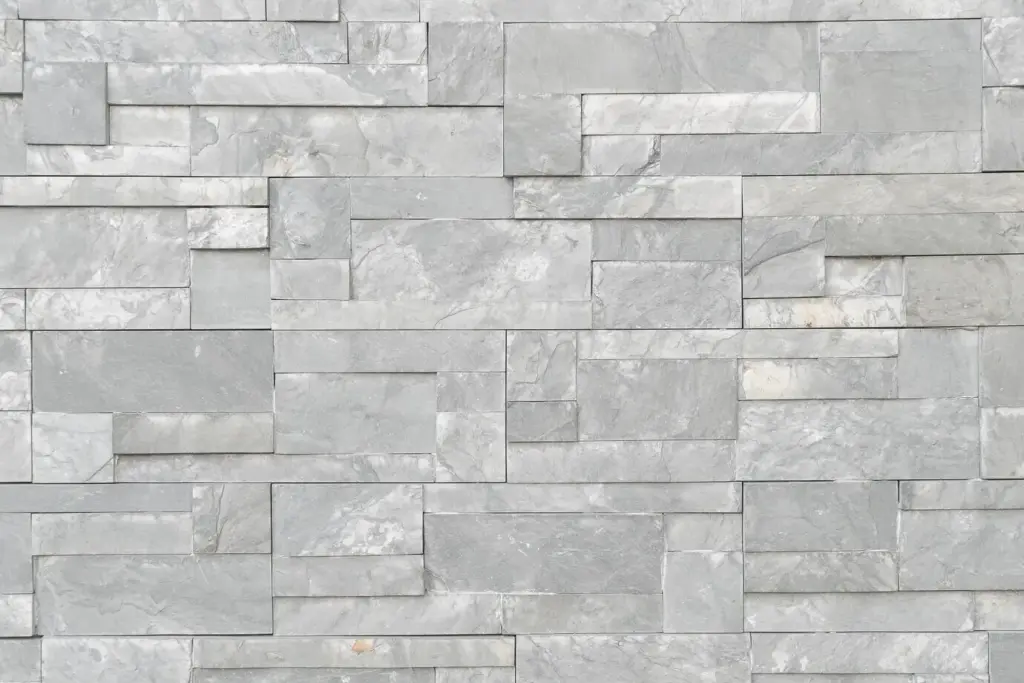
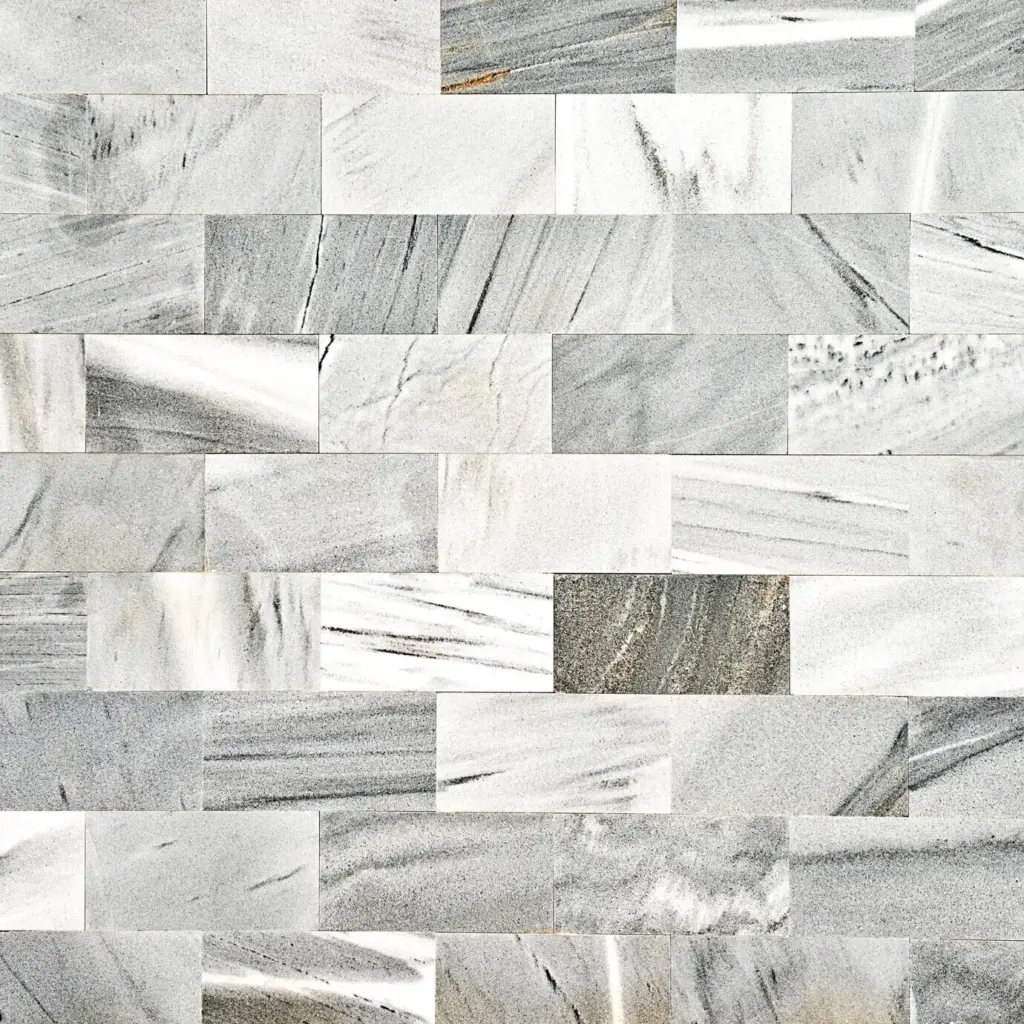
Peel-and-Stick Backsplashes That Transform Rentals Overnight
Renters deserve impact without risk. Today we dive into peel-and-stick backsplashes for renters and temporary makeovers, showing how removable materials upgrade kitchens and bathrooms fast, protect deposits, and spark daily joy. Expect practical measuring tips, style picks, installation tricks, care routines, and gentle removal steps, plus real stories from small apartments. Share your questions, subscribe for checklists, and tell us what surface you want to refresh next.
Measure Right, Cut Once
Good planning makes adhesive panels look professional. Measure wall height at multiple points, note outlets and switches, and mark natural stop lines like cabinet bottoms or tile edges. Create paper templates for awkward corners. A reader in a 1930s walk-up discovered one crooked wall only after dry-fitting; templates saved extra cuts and aligned patterns cleanly.
Mapping Your Splash Zone
Stand back and photograph the wall; draw over the image to visualize boundaries and tricky areas before peeling anything. Tape blue painter’s tape where the top edge will go, then open cabinet doors to check clearances. This small rehearsal reduces stress and reveals where to start and stop for symmetry.
Smart Ordering and Waste Allowance
Order at least ten percent extra for pattern matching and inevitable learning mistakes. If your pattern has strong grout lines or chevrons, fifteen percent saves an emergency run. Request lot numbers to ensure consistent color. One subscriber mixed batches and noticed slight hue shifts under warm bulbs only at night.
Surface Prep That Prevents Peeling
Degloss glossy paint with a light scuff using a non-scratch pad, then wipe with 70 percent isopropyl alcohol and allow full evaporation. Avoid citrus cleaners that leave residues. Fill dents, sand smooth, and prime if needed. Dry surfaces adhere better, so wait after steamy dishwashing before starting anything sticky.
Styles That Stretch a Small Space
Small kitchens deserve visual tricks that feel generous. Choose lighter tones, soft grout effects, and subtle sheen to bounce light without glare. Running tiles horizontally widens sightlines; vertical planks lift a low ceiling. Avoid tiny busy mosaics behind open shelves. Share photos of your space and we’ll suggest pattern scales tailored to cabinet proportions.
Light, Gloss, and the Illusion of Depth
High-gloss finishes read brighter but can show fingerprints near switches; satin is forgiving while still reflective. Mirrored or metallic accents add depth in brief stretches, especially between window and stove. Try sample swatches under morning and evening light to check sparkle, glare, and color warmth before committing to full coverage.
Patterns That Play Nicely with Cabinets
Consider cabinet door styles first. Shaker profiles love clean subway layouts, while slab fronts welcome geometric honeycomb or herringbone drama. If wood grain is busy, choose calming textures. Align faux grout lines with door rails when possible for cohesion. Share cabinet photos for one-on-one matching advice from seasoned renters.
Color Stories for Rentals with Beige Walls
Warm neutrals pair beautifully with soft greige, sand, or cream, but inject personality with muted eucalyptus, navy, or terracotta accents. Test scraps beside outlets and under cabinet lights. Beige changes dramatically at night. Readers often find cooler grays clash; warmer undertones blend gracefully and keep spaces soothing yet photogenic.
The Hinge Method for Bubble-Free Results
Peel back only a few inches of liner to create a hinged flap, align carefully, then smooth outward in firm strokes. Work in small sections, chasing air to the edge. If a bubble persists, prick with a pin and press gently. Calm, rhythmic motions deliver professional-looking finishes.
Corners, Outlets, and Tricky Cuts
Score lightly before committing to a full cut, and always cut on a sacrificial mat. For outlets, remove plate covers, trace openings, and add one millimeter clearance to reduce stress. Heat gently with a hair dryer for pliability, then press edges firmly using a clean, dry microfiber cloth.
Water, Heat, and Real-Life Durability
Steam Near the Range: What’s Safe
Boiling pots throw steam that softens adhesives over time. Use vent hoods, crack a window, and keep kettle spouts angled away from edges. If your stove lacks a backguard, a removable metal rail deflects heat effectively. Share your layout, and we’ll recommend protective accessories that still look stylish.
Grease and Tomato Sauce Cleanup Routine
Clean splatters promptly with warm water, mild dish soap, and a soft sponge. Avoid abrasive powders and citrus solvents that can haze finishes. For stubborn spots, a diluted degreaser followed by a water rinse works. Readers report microfiber cloths outperform paper towels and leave fewer fibers around sensitive seams.
Pet Claws, Curious Kids, and Party Nights
Edge guards help where stools touch the wall or pets leap during feeding time. Keep a small repair kit with matching offcuts for quick patches after birthday banners or command hooks. Teach kids to wipe gently. Real homes are messy; maintenance habits matter more than miracle materials for longevity.
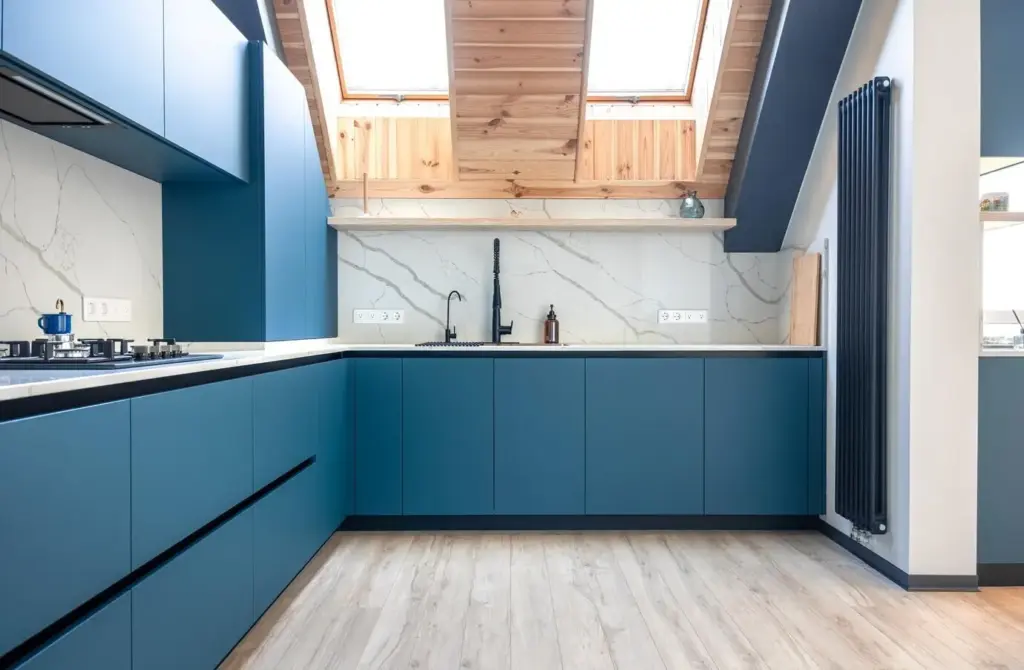
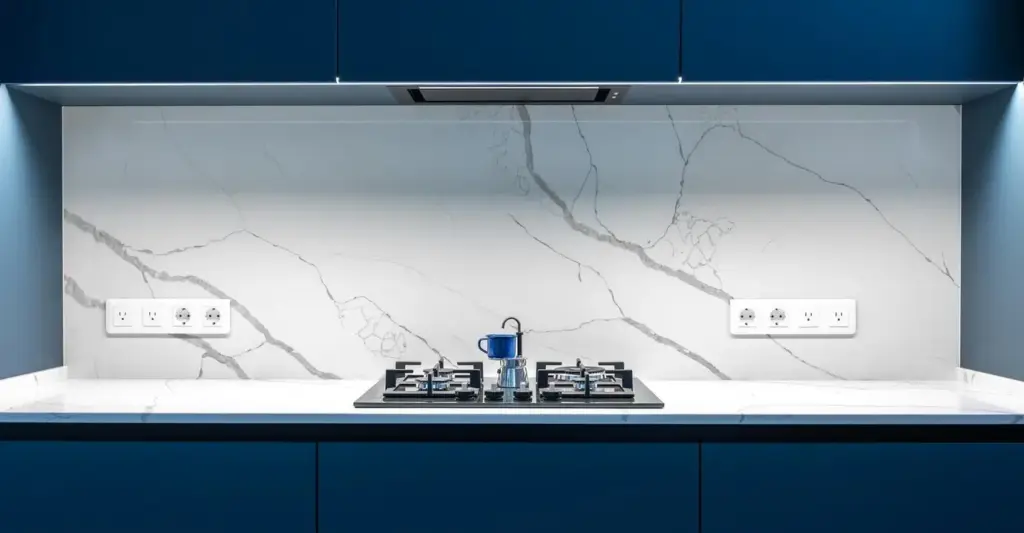

Removal Without Tears or Deposits Lost
Moving out should be as simple as warming the adhesive and rolling panels away. Start at a corner, apply low heat with a hair dryer, and pull slowly at a sharp angle. Remove residue with mineral spirits or adhesive remover, then wash with soapy water. Your wall should look untouched.

Budget, Brands, and Honest Comparisons
Affordable doesn’t mean flimsy. Compare cost per square foot, thickness, and finish warranties across brands. Vinyl tiles bend easily around corners; composite panels resist dents but weigh more. Buy samples, check return policies, and read renter reviews. Comment with your budget, and we’ll suggest mixes that maximize value and longevity.
All Rights Reserved.